How to Plan an Incentive Trip or Corporate Event in Spain, Portugal and Morocco
Unveil the Hidden Secrets of a Timeless Art
An incentive trip can look effortless when everything works.
Guests arrive at the right hotel. Transfers are waiting. Dinner starts on time. The private venue is ready. A guide knows exactly where the group needs to be next, and nobody carrying a company badge has any idea how many moving parts were required to make that simplicity possible.
That is usually the sign of a well-designed corporate journey.
Planning an incentive trip, meeting or special event in Spain, Portugal or Morocco is not simply a matter of booking accommodation and adding a few activities. The programme needs to work as a whole: logistics, timing, group dynamics, destination knowledge and memorable experiences all have to support the purpose of the trip.
For companies, travel advisors and event planners, this is where working with an experienced local Destination Management Company (DMC) becomes particularly valuable.
Start with the purpose, not the programme
Before choosing a hotel or reserving a restaurant, there is a more important question:
What should people feel when they return home?
An incentive programme designed to reward a sales team requires a different rhythm from an executive retreat. A product launch has different needs from a leadership meeting. A trip created to strengthen relationships with key clients should not feel like a conference with nicer weather.
The purpose of the journey determines everything that follows.
- Is the objective to reward performance?
- Bring an international team together?
- Build relationships with clients or partners?
- Combine meetings with cultural experiences?
- Create time for leadership, strategy or team building?
- Celebrate an important company milestone?
Once that objective is clear, the destination and programme can be designed around it rather than assembled from a catalogue of unrelated activities.
The destination has to work for the group
A city may be spectacular and still be wrong for a particular event.
Group size, flight connections, season, hotel capacity, transportation, meeting facilities and the type of experiences available all influence the decision.
Spain, Portugal and Morocco offer very different possibilities, even when the travel time between them is relatively short.
Spain: variety within a single destination
Spain works particularly well for incentive and corporate programmes because very different environments can be combined without travelling enormous distances.
Madrid can offer major hotels, private cultural access, gastronomy and excellent transport connections. Barcelona combines architecture, the Mediterranean and a strong international profile. Andalusia offers historic cities, private estates and a completely different atmosphere, while regions such as Rioja or the Basque Country can introduce gastronomy and wine into a smaller, more intimate programme.
The important question is not simply which Spanish city is most famous, but which location best supports the objectives and rhythm of the group.
Portugal: compact, elegant and easy to combine
Portugal can be especially attractive when a programme needs to feel relaxed without losing sophistication.
Lisbon offers culture, gastronomy and a strong base for corporate groups, while nearby areas make it possible to introduce coast, historic estates and outdoor activities without long transfers.
Porto and the Douro Valley create a very different environment, where meetings or incentive activities can be combined with wine, river landscapes and private experiences.
For longer programmes, Portugal can also be combined naturally with Spain as part of one coordinated itinerary.
Morocco: a powerful change of setting
Sometimes an incentive programme benefits from creating an immediate sense of departure from everyday life.
Morocco can provide exactly that.
Marrakech, for example, offers a distinctive combination of historic architecture, private riads, gardens, gastronomy and access to the landscapes of the Atlas Mountains.
For groups, the contrast between a business environment during the day and a completely different cultural setting in the evening can give the programme a very strong identity.
The key is careful coordination. Transfers, venues, local suppliers and timing need to work seamlessly so that the destination feels exciting rather than complicated.
Logistics are part of the experience
Corporate travel is unforgiving of small logistical mistakes.
A private traveller may tolerate waiting ten minutes for a transfer. Multiply those ten minutes by fifty people, several vehicles, luggage, different arrival times and a dinner reservation, and suddenly the problem has a completely different scale.
For that reason, logistics should never be treated as the invisible administrative part of an incentive trip.
They are part of the guest experience.
- Airport and station transfers
- Vehicle coordination for different group sizes
- Hotel arrivals and departures
- Movement between meetings, activities and dinners
- Licensed local guides where required
- Restaurant and venue reservations
- Timing between programme elements
- Local assistance if plans change
SpainTop coordinates these elements locally through its network across Spain, Portugal and Morocco, allowing the programme to be managed as one journey rather than a collection of separate bookings.
The best incentive activities have a reason to be there
A memorable activity does not need to be spectacular simply for the sake of being spectacular.
It should make sense for the destination and for the people taking part.
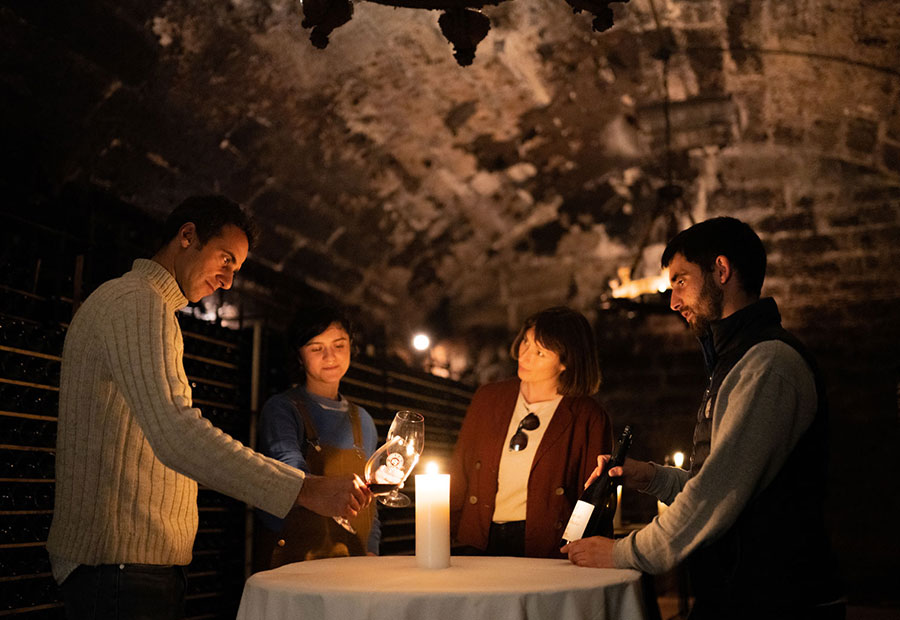
That might mean a private gastronomic experience, a wine visit, a cultural programme outside normal visiting hours, a sailing experience, a cooking activity or a team-building challenge.
The difference lies in selecting an experience because it contributes something to the programme, not because it fills two empty hours in the schedule.
SpainTop's travel services include private transportation, licensed local guides, gastronomy, wine tourism, golf, wellness, special events and team-building activities that can be incorporated into tailor-made programmes.
Leave space in the schedule
One of the easiest mistakes in incentive travel is trying to justify every minute of the programme.
Breakfast. Meeting. Transfer. Activity. Lunch. Transfer. Visit. Hotel. Transfer. Dinner.
On paper, it looks productive.
By the second day, it can feel like military manoeuvres with better catering.
People need time to talk.
A coffee between sessions may become more valuable than another scheduled activity. A longer lunch can create the conversation the company hoped would happen during a formal workshop. An unscheduled hour before dinner can completely change the energy of the evening.
Good programme design includes breathing space deliberately.
One point of coordination makes a difference
The more suppliers involved in a corporate programme, the more important coordination becomes.
Hotels, transportation companies, guides, restaurants, venues, activity providers and event staff may all be responsible for one small part of the experience.
For the client or travel advisor, however, there should be a coherent programme rather than a collection of supplier relationships.
This is one of the central roles of a local DMC.
SpainTop works with travel advisors, agencies and tour operators as an on-the-ground destination partner in Spain, Portugal and Morocco. More information about these partnerships is available in our Travel Trade & Partnerships FAQ.
Travel advisors do not have to become local event operators
For a travel advisor, organising an incentive trip abroad can involve a level of operational detail that is very different from planning an individual holiday.
Working with a local DMC allows the advisor to maintain the relationship with the client while relying on destination specialists for local planning, supplier coordination and operations.
SpainTop works with travel professionals through its Travel Trade programme, acting as a local partner for programmes across Spain, Portugal and Morocco.
The objective is simple: the advisor should remain close to the client without needing to personally manage every vehicle, restaurant, guide and venue on the ground.
What makes an incentive trip successful?
Usually, it is not one extraordinary dinner or one impressive hotel.
It is the relationship between all the details.
The destination fits the group. The schedule has a natural rhythm. Transfers work. The experiences feel connected to the place. People have enough structure to understand the programme and enough freedom to enjoy it.
And behind all of that, somebody has already asked the awkward questions before the guests arrive.
Where does the coach stop?
What happens if the flight is late?
Can the restaurant accommodate the dietary requirements?
Is there enough time between the meeting and dinner?
What is the alternative if the weather changes?
Those questions may not appear in the photographs afterwards.
They are often what made the photographs possible.
Plan your next incentive programme with SpainTop
SpainTop designs and coordinates tailor-made corporate and incentive travel programmes across Spain, Portugal and Morocco, combining local knowledge, logistics, private services and carefully selected experiences.
If you are a travel advisor, agency, company or event planner looking for an on-the-ground partner, tell us what you want the programme to achieve and we can start building around it.